NYPA / SUNY Purchase
Thermal storage integrated with utility and campus energy infrastructure.
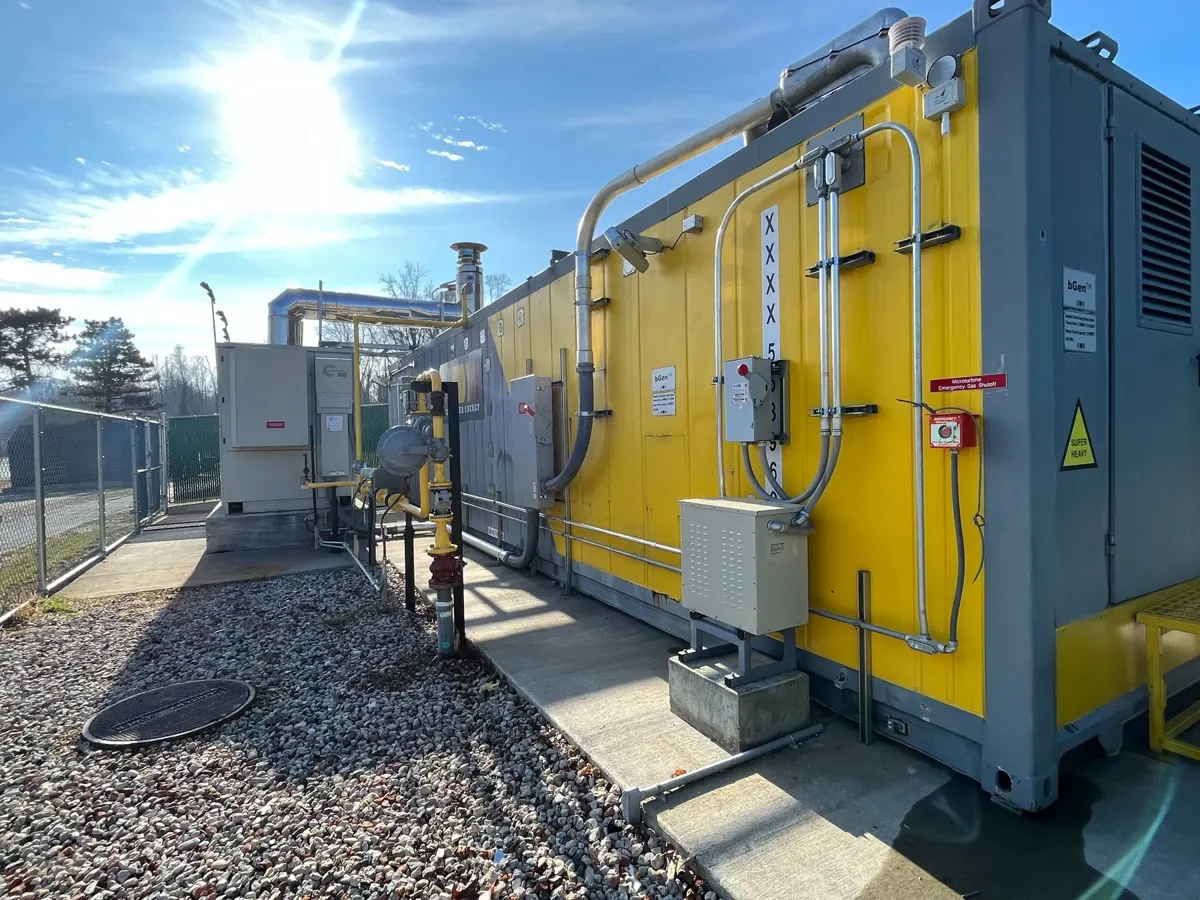
Project Overview
A thermal energy storage demonstration developed with the New York Power Authority at SUNY Purchase College. The New York project demonstrates bGen™ integration with a utility environment and campus heating needs, enabling more flexible and efficient operation of the combined heat and power system.
Your questions.
Answered.
Questions about the SUNY Purchase demonstration, its utility partner and campus heating integration.
Talk to our teamWho collaborated on the NYPA / SUNY Purchase thermal storage demonstration?
The demonstration was developed with the New York Power Authority at SUNY Purchase College in New York, USA. The project combines a utility collaboration with a campus energy application.
What kind of project is the SUNY Purchase reference?
The overview describes a thermal energy storage demonstration. Its purpose is to demonstrate bGen™ integration with a utility environment and the heating requirements of a college campus.
Which existing energy system does bGen™ integrate with at SUNY Purchase?
The project overview identifies integration with the campus combined heat and power system. Thermal storage is described as enabling more flexible and efficient operation of that system.
What end-use need does the NYPA demonstration address?
The documented end-use is campus heating. The reference examines how thermal storage can work with utility and campus infrastructure to meet heating needs.
What can a campus operator learn from the SUNY Purchase project page?
The page provides an example of adding bGen™ thermal storage to combined heat and power infrastructure. It explains the integration objective and heating application, while project-specific sizing and quantified results require more detailed technical information.