TEMPO
Power-to-heat thermal storage with renewable and grid charging for industrial steam delivery.
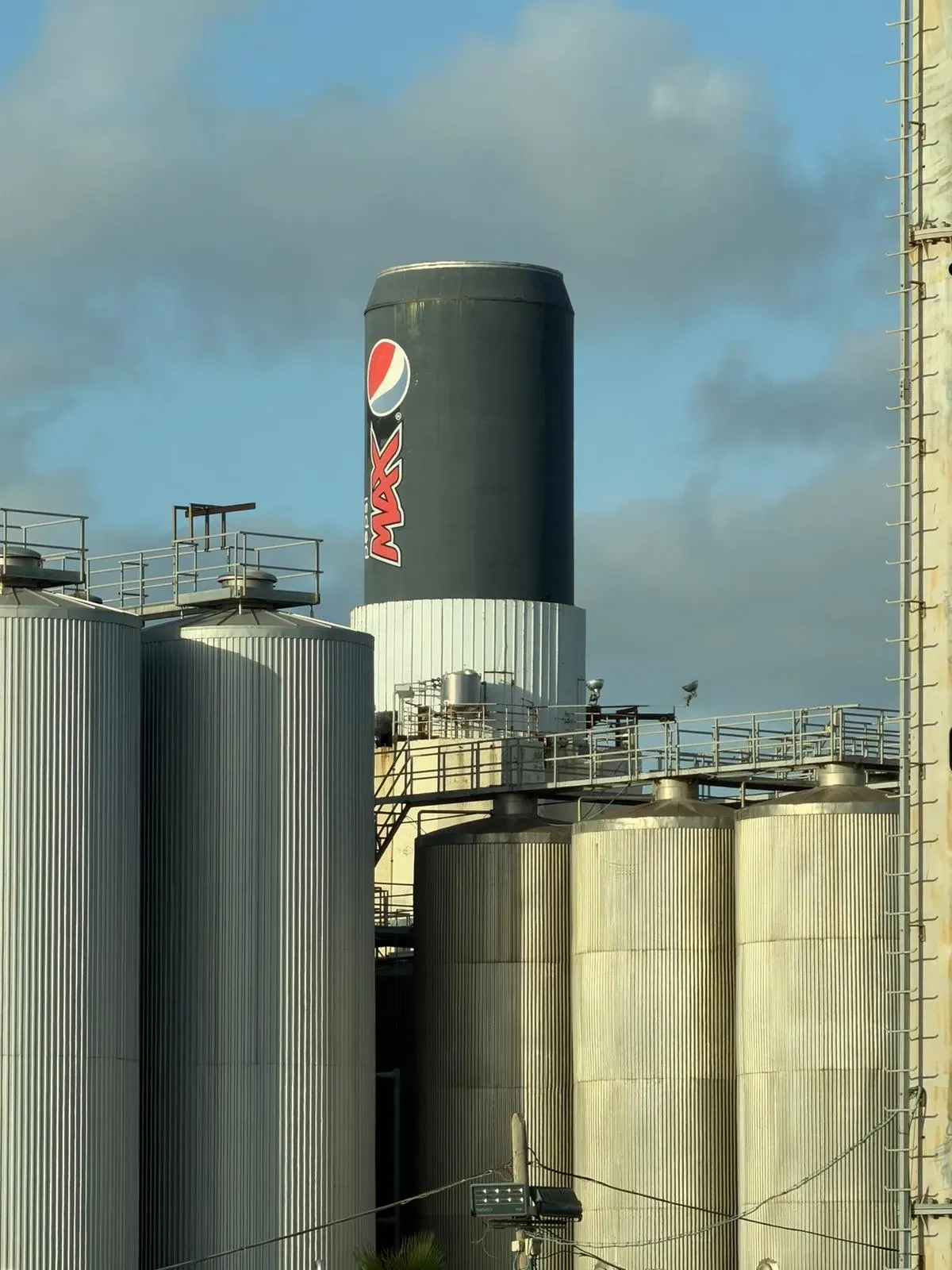
Project Overview
The TEMPO project demonstrates bGen™ thermal energy storage in a large industrial operating environment, supplying process steam to Tempo Beverages’ production facility. The system charges from grid electricity and on-site solar PV, stores energy as heat and delivers up to 14 tons of steam per hour. Designed to replace fossil-fuel boiler use, the project is expected to avoid approximately 6,200 tons of CO₂ emissions annually.
Your questions.
Answered.
Public information on TEMPO's charging sources, process steam and expected emissions benefit.
Talk to our teamWhat does the TEMPO project supply to the beverage facility?
The public overview describes bGen™ supplying process steam to Tempo Beverages' production facility in Israel. TEMPO is a reference for thermal storage in a large industrial operating environment.
Which electricity sources charge the TEMPO system?
The system charges using grid electricity and on-site solar photovoltaic generation. It converts that electrical input into heat stored for industrial steam delivery.
How does power-to-heat storage serve TEMPO's production process?
Electricity is converted into stored thermal energy, which is then used to deliver process steam. The project is designed to replace fossil-fuel boiler use in the beverage production application.
What steam output is stated in the TEMPO public overview?
The overview states an output of up to 14 tons of steam per hour. The phrase up to describes the stated maximum output and should not be interpreted as a fixed delivery rate throughout every operating hour.
Is TEMPO's annual CO₂ avoidance figure a measured result?
The project overview presents approximately 6,200 tons of CO₂ avoided annually as an expected benefit. It is a projection associated with replacing fossil-fuel boiler use, rather than a measured annual emissions result reported on the page.